

CrisisLab is a simulation program designed to help teams practice high-risk, high-stress scenarios in a controlled, psychologically safe environment. We simulate real events, not ideal ones.
Types of simulations
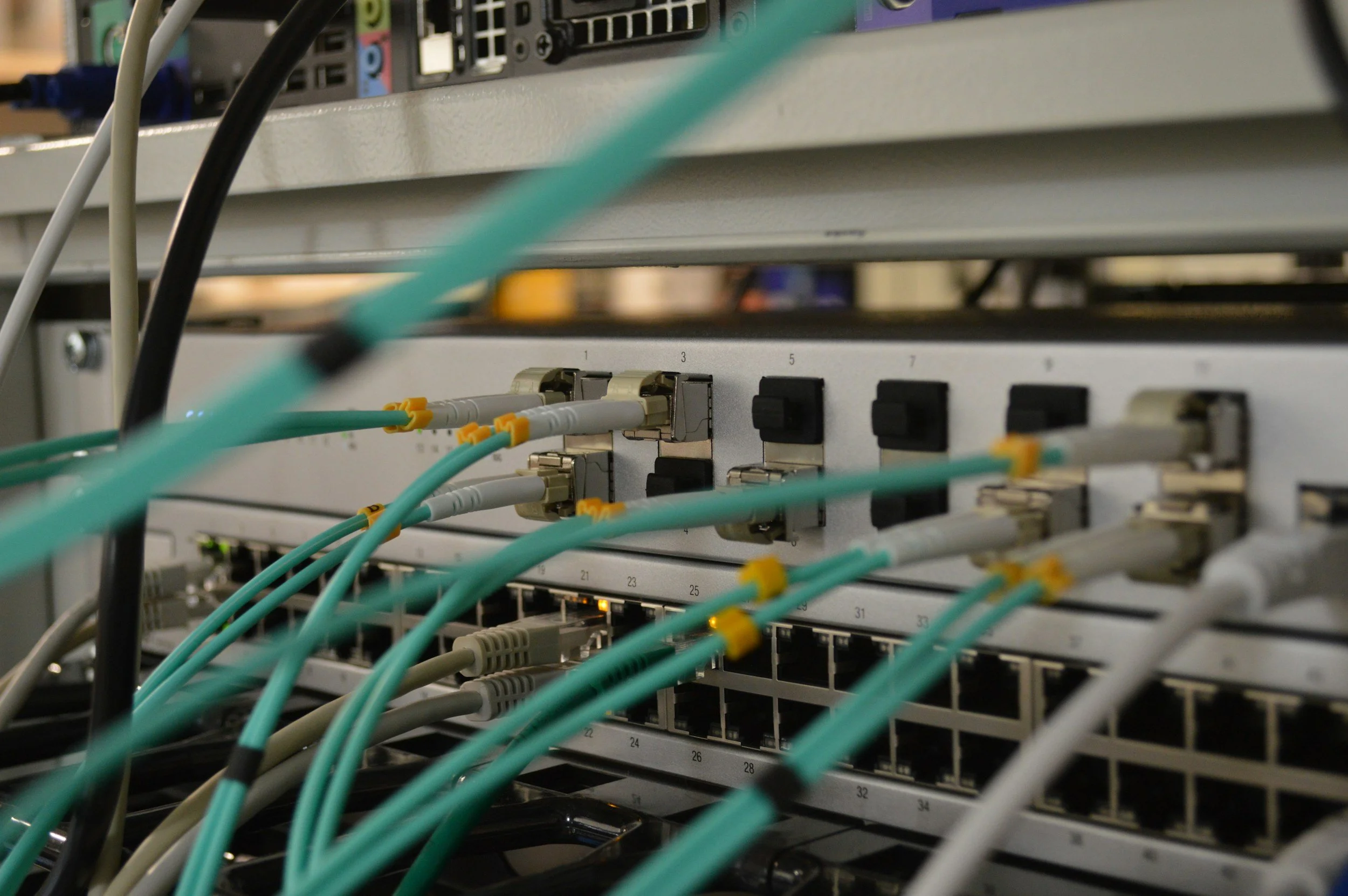
Continuity of Operations
Extended power outage with generator limits, fuel logistics, and load-shedding considerations
Cyber incident / ransomware with downtime workflows and restoration priorities
IT or telecom failure impacting data centres, phones, paging, Wi-Fi, and remote access
Critical building systems failure (HVAC, chillers, water, natural gas, elevators, refrigeration)
Supply chain disruption affecting critical supplies, key vendors, and essential services
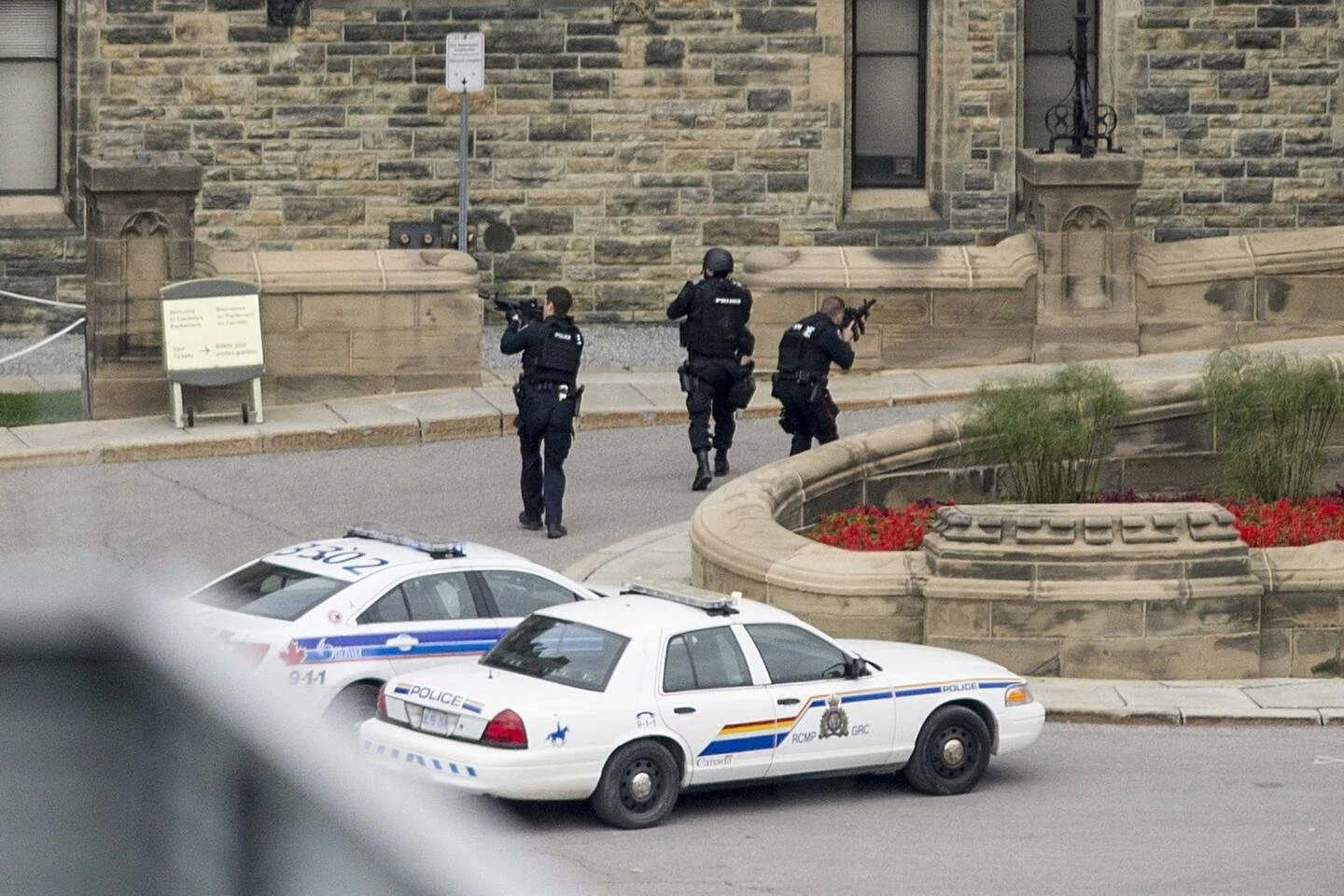
Protective Measures
Active threat / lockdown with continuity of operations under protective measures
Workplace violence escalation including behavioural crises and visitor aggression
Suspicious package / bomb threat requiring coordinated assessment and response
Evacuation vs shelter-in-place decisions with operational constraints
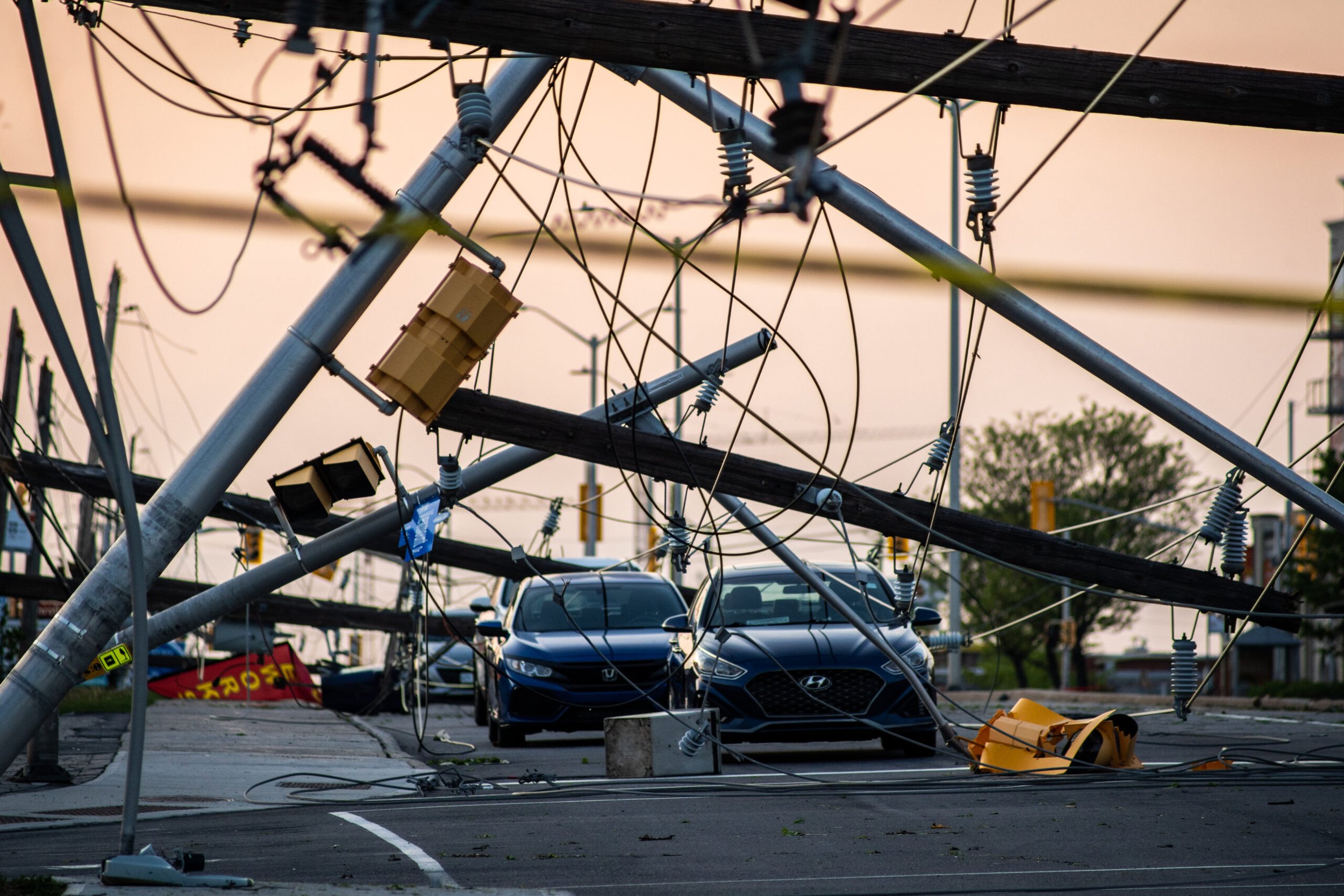
Environmental Impacts
Severe weather hazards creating safety risks, outages, and access disruption
Winter storm / ice storm with transportation disruption and prolonged resource strain
Extreme heat or wildfire smoke stressing ventilation strategy and vulnerable populations
Earthquake with utility disruption, structural assessment, and aftershock risk
Hazardous materials or wildfire smoke requiring protective actions and coordination
Incident Leadership
Executive decision-making with limited information and risk trade-offs
Incident Management System activation, scaling, and role clarity across operational periods
Crisis communications (internal updates, public messaging, rumour control)
Multi-agency coordination with police, fire, paramedics, public health, and utilities
What a CrisisLab simulation actually looks like
1) Pre-brief
Clear objectives, defined boundaries, and explicit psychological safety rules set the tone before the exercise begins. Participants know what the simulation is (and is not), what success looks like, and how the time will be used. Roles, constraints, and assumptions are stated up front so people can focus on decision-making rather than guessing the rules of the game.
2) Simulation
Time-boxed, facilitated, adaptive injects. The simulation may be tabletop (imagining and talking through processes) or in situ (working in the real environment and actually carrying out actions). Facilitation style, pacing, and complexity are deliberately adjusted based on the experience of the team and the objectives of the exercise. Scenarios evolve in response to participant decisions, introducing ambiguity, trade-offs, and realistic pressure without crossing into performative stress.
3) Hot debrief
A structured, immediate conversation while the experience is still fresh. We talk about what worked, what didn’t, and what surprised people. This is not a critique of individuals, but an opportunity to discuss insights and friction points that only emerge under pressure. Everyone’s perspective matters.
4) Lessons learned
Clear, practical takeaways that teams can use: strengths to foster, gaps to mitigate, and a short list of actions to improve readiness. There is no 40-page report—just focused observations and next steps that respect people’s time and capacity.
Psychological safety
A simulation is only helpful, only worthwhile, if all participants feel safe at all times. Engineered stress is, of course, part of the exercise—but the emotional response should feel like excitement and learning, not fear. Participants must know that they are not being tested, that their input (even a ‘dumb question’) is valuable, and that they are part of a team that shares as a fundamental commonality the desire to do a good job.
If your plans have never been tested under pressure,
they have never really been tested.