

Your partner in emergency management.
You won’t find preparedness
in a binder.
It’s about practice. It’s about people.
Knowing what to do—
and having the confidence to do it.
We are champions of simplicity.
Adversaries of acronyms and jargon.
We are ready to go.
Some ways we can help:
-

Planning
Ask “what could go wrong?” Let’s identify hazards that could affect your organization, assess how bad they could be, and plan what to do about them.
-

Training
Let’s get to know your teams. We’ll have real, in-person training and conversations about response plans. When everyone is ready, we can run a simulation too.
-
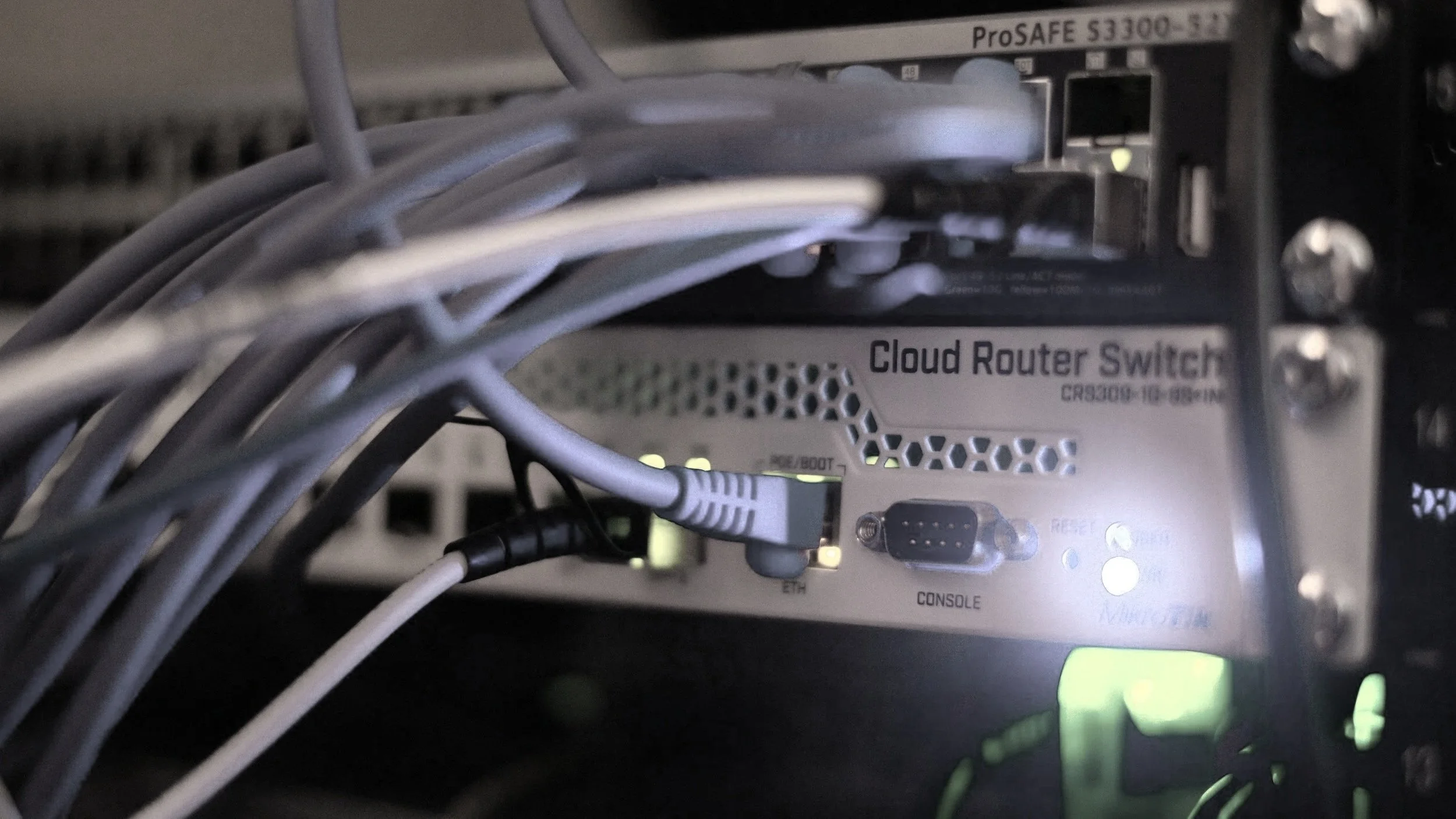
Business Continuity
Aside from emergency preparedness, we should talk about how to keep critical parts of the business running. We’ll map out processes and recovery strategies.
-

After Action
After a major event, first let’s make sure everyone is okay. Then let’s have a calm, methodical conversation about how things went and what can be improved.
It’s worth more than you think…
Improve preparedness
Identifying vulnerabilities and developing robust protocols means you're never caught off guard. This proactive approach can save time, resources, and even lives when a major incident occurs.
Build camaraderie
Working together in high-stakes training and emergency planning can deeply strengthen team bonds, improve inter-departmental communication, and foster a culture of trust.
Lower premiums
Comprehensive emergency management and business continuity plans position your organization as a lower risk, empowering your broker to negotiate better coverage terms.

Facts:
From 2000 to 2020, compared to the previous two decades, Canada experienced:
38% increase in natural disasters
400% increase in recovery costs
Over 40% of ransomware attacks target critical infrastructure, increasing the risk of “catastrophic emergencies.”
“Acknowledgement of the need to strengthen emergency management is growing across jurisdictions, resulting in strategic and targeted investments that support increased local and regional response capacity.”
The economic impact of Canada's natural disasters in 2024 was estimated at $20 billion.
Every $1 invested in mitigation can save $7 to $13 in recovery costs.
Canadian federal reimbursements for disaster costs
Public Safety Canada. (2025, September 8). Emergency Management Placemat. Retrieved from https://www.publicsafety.gc.ca/cnt/trnsprnc/brfng-mtrls/trnstn-bndrs/20250910-1/12c-en.aspx
What happens next?
1) You say hello.
We can connect by email or phone, and together we’ll decide if we are the right fit for your needs. You’ll get a quote based on the work required. Then you can decide if and when to proceed.
2) We get to work.
This can mean corresponding by email, drafting or reviewing documents, facilitating training, meeting on Zoom or Teams, or meeting in-person at your place or ours.

Areas of expertise:
After-Action Reports
Business Continuity Plans
Business Impact Analysis
Community Safety and Wellbeing
Continuity of Operations Plans
Coordinating Emergency Services (911)
Crisis Communications Plans
Disaster Recovery Plans
Emergency Management Programs
Emergency Notification Systems
Emergency Operations Centers
Emergency Response Plans
Exercise Design (Tabletop, Functional, Full-Scale)
Hazard Identification and Risk Assessment
Incident Command System (ICS) Training
Incident Management System (IMS) Training
Mitigation Strategy Development
Mutual Aid Agreements
On-Site Incident Support & Coaching
Training Programs
Frequently Asked Questions
-
Yes. After an incident is a very common time for organizations to review their plans. You might be asking: Did we do everything right? What do we do now? Can we improve for next time? These can be difficult conversations. We are here for it.
-
Yes. Emergencies don’t work on a schedule, and neither do we. It is just as important to prepare for after-hours incidents, so we provide training and support after hours too.
-
Yes. We use the best tools available for research and brainstorming. However, all content is written by a human expert. Proprietary or customer-specific information is never transmitted. We are compliant with the highest standards required by Canadian healthcare and government.
-
We protect sensitive data with AES-256 encryption, both in transit and at rest. This is the same military-grade standard used by banks and governments to safeguard information. This data is stored exclusively on servers physically located within Canada.
-
The name Boreal Praxis reflects our philosophy: deep roots in theory, real-world action in the field. “Boreal” evokes the strength and resilience of the northern forest. “Praxis” means putting knowledge into practice—what we do in every crisis we help navigate.
Ready?
-
PIPEDA
Personal Information Protection and Electronic Documents Act
-
CSA Z1600
Canadian Standards Association – Emergency and Continuity Management Program
-
ISO 22301:2019
International Organization for Standardization – Business Continuity Management
-
Emergency Management Act
Government of Canada, S.C. 2007, c. 15
-
DRI Canada
Disaster Recovery Institute Canada
-
IAEM
International Association of Emergency Managers